

What is Fabric Conditioner and How to Use It Effectively
Fabric conditioner is a laundry-care product used during the rinse stage to improve the feel, freshness, and manageability of clothes. Fabric conditioner and softener are laundry-care products used during the rinse stage to improve the feel and freshness of suitable fabrics. It is commonly used alongside detergent, but it performs a different job: detergent cleans the fabric, while conditioner helps leave the fibres feeling smoother and softer.
If you want comfortable clothes without making laundry complicated, understanding the correct fabric conditioner use can help you get the desired softness and freshness without overloading your wash.
What Is Fabric Conditioner?
Fabric conditioner is a liquid laundry product designed to condition textile fibres after washing. It is typically introduced during the rinse stage, allowing its conditioning ingredients to remain on the fibres after the detergent has done its cleaning work.
Unlike laundry detergent, conditioner is not primarily intended to remove dirt or stains. Its role is more about the after-wash feel and finish of your clothes.
What Does Fabric Conditioner Do?
During the rinse stage, conditioning agents interact with the surface of textile fibres. This can reduce friction between fibres, which helps clothes feel smoother and can make them easier to handle after washing.
Depending on the formula, fabric conditioner may also:
- Improve the softness of everyday clothing
- Reduce static cling
- Add fragrance
- Help minimise the feeling of stiffness
- Make some garments easier to iron
Fabric Conditioner or Fabric Softener: What’s the Difference?
Fabric conditioner and fabric softener are terms often used for products with a similar purpose: improving the feel and finish of washed fabrics. The terminology can vary by market and brand, so the product label is the best place to check its intended use.
| Feature | Laundry Detergent | Fabric Conditioner / Softener |
|---|---|---|
| Main purpose | Removes dirt, oils, and stains | Conditions fibres after washing |
| Typical stage | Main wash | Rinse |
| Effect on fabric | Cleans | Improves softness and feel |
| Fragrance | May provide fragrance | Often adds or enhances fragrance |
| Used together? | Yes | Yes, when suitable for the fabric |
Think of it this way: detergent cleans your clothes; conditioner gives the fabric a finishing treatment.
What Are the Benefits of Fabric Conditioner for Clothes?

The main advantage of fabric conditioner is that it can leave suitable fabrics feeling softer and more comfortable after washing. It can also provide additional laundry-care benefits depending on the formulation.
Fabric conditioners can work by reducing friction between textile fibres, which can improve the way fabrics feel after washing. For a detailed explanation of fabric softeners, their ingredients and how they interact with fabrics, see this American Cleaning Institute guide to fabric softeners and enhancers.
1. Softer Feel: Conditioning ingredients can reduce the rough or stiff sensation that some fabrics develop after repeated washing.
2. Less Static: Fabric conditioner can help reduce static cling, particularly in fabrics that tend to develop static during drying.
3. Easier Ironing: Smoother-feeling fibres can make certain garments easier to iron, potentially reducing the effort needed to remove creases.
4. Fresh Fragrance: Many conditioners contain fragrance that remains on fabrics after the wash, giving freshly laundered clothes a pleasant scent. If you prefer a clean and subtle fragrance, Girnes Pure Pleasant Fabric Conditioner is one of the available options.
How to Use Fabric Conditioner in a Washing Machine
For machine washing, add the conditioner to the washer’s designated softener compartment so it can be released during the appropriate part of the cycle. Never assume the same dosing method works for every product; check the bottle and washing-machine instructions.
Using fabric conditioner in a washing machine is simple when you know which compartment to use and when the machine releases the product.
How to Use It in a Front Load Washing Machine
- Put your laundry and detergent into their appropriate compartments.
- Find the compartment marked with a flower/softener symbol.
- Measure the required conditioner quantity.
- Pour it into the softener compartment without exceeding the maximum line.
- Start the selected wash programme.
Many machines are designed to release the conditioner automatically during rinsing.
How to Use It in a Top-Load Washing Machine
Top-load machines may have a built-in dispenser, often located around the central agitator or as a separate compartment. Add the measured conditioner to the designated section and allow the machine to dispense it during rinsing.
If your machine does not have an automatic dispenser, follow the washing-machine and product instructions for adding conditioner during the final rinse.
Read Article: Top Load vs Front Load Detergent: Which One Should Use?
How Much Fabric Conditioner Should You Use?
There is no universal dose that works for every conditioner. Concentration, bottle instructions, and load size can all affect the required quantity.
Start with the manufacturer’s recommended dose rather than adding extra for stronger fragrance. Using more product does not necessarily produce better results and may increase residue or buildup.
How to Use Girnes Fabric Conditioner: Step-by-Step
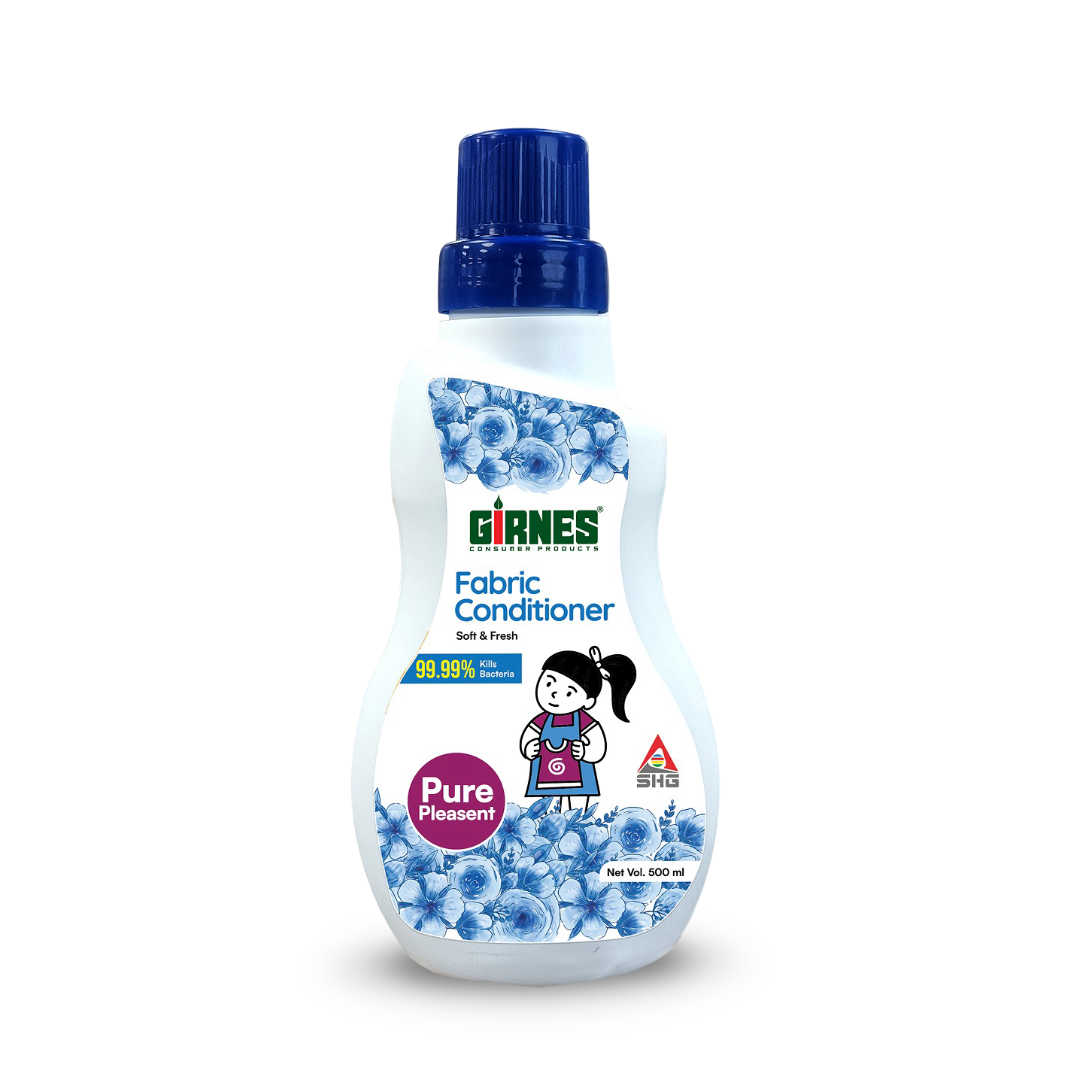
Use Girnes Fabric Conditioner according to the instructions provided on its packaging and the requirements of your washing machine. For machine washing, the conditioner should go into the appropriate softener compartment rather than being poured directly onto clothes.
A simple routine is:
- Sort your laundry according to fabric and care requirements.
- Add your regular detergent to the correct compartment.
- Measure Girnes Fabric Conditioner as directed on the pack.
- Pour it into the fabric-softener compartment.
- Select your wash programme and allow the machine to complete the cycle.
For exact dosage, dilution or hand-wash instructions, use the current Girnes product label rather than applying a generic measurement.
Which Clothes Should You Skip Fabric Conditioner on?
Not every textile benefits from a conditioning treatment. Certain performance fabrics are designed to provide specific properties such as moisture management or water resistance, and conditioner may interfere with those functions.
Take extra care with:
- Moisture-wicking sportswear
- Water-resistant garments
- Microfiber cleaning materials
- Flame-resistant clothing
- Certain specialised outdoor fabrics
What Are Common Fabric Conditioner Mistakes?

Avoid these simple errors:
- Adding too much: Excess product can leave unwanted buildup.
- Pouring it directly onto clothes: Concentrated conditioner may create marks or uneven application.
- Putting it in the detergent compartment: This can prevent the product from being released at the intended stage.
- Ignoring fabric restrictions: Performance garments may require different care.
- Guessing the dosage: Different formulas can have very different dosing requirements.
Fabric conditioner works as part of a complete laundry routine, but it does not replace detergent. For the main cleaning stage, explore liquid detergent to find suitable liquid detergent options for your regular washing needs.
Final Thoughts
Fabric conditioner can be a useful addition to a regular laundry routine when used correctly. It helps improve the feel and freshness of suitable fabrics while working alongside, not instead of, laundry detergent.
The key is simple: choose the right garments, use the correct compartment, follow the product's dosing instructions, and avoid overusing the product.
FAQs
Q1: Are Fabric Conditioner and Fabric Softener Actually Different?
Ans: In everyday laundry use, the two terms often describe products designed to condition fabrics and improve their post-wash feel. The exact formulation and claims depend on the individual product.
Q2: Where Do You Put Fabric Conditioner in a Washing Machine?
Ans: Place it in the compartment marked for fabric softener or conditioner, commonly identified by a flower symbol. Do not exceed the compartment's maximum fill line.
Q3: When Should Fabric Conditioner Be Added?
Ans: It is normally released during the rinse stage rather than the main wash. This allows the conditioner to work after the detergent has completed its primary cleaning job.
Q4: Can Fabric Conditioner Be Used on Every Type of Clothing?
Ans: No. Some sportswear, microfiber, water-resistant, and flame-resistant materials may require different care. Check the garment label before use.
Q5: How Much Fabric Conditioner Should I Use?
Ans: Use the dose stated on your product packaging and adjust only when the manufacturer provides load-size guidance. Concentrated products may require considerably less liquid than standard formulas.
Q6: Do You Need to Rinse Clothes Again After Using Fabric Conditioner?
Ans: Normally, no additional rinse is required when the conditioner has been dispensed correctly during the washing machine's rinse stage. Follow the product instructions if they specify a different method.


